By Alsa Zahir (student on MA English Literature)
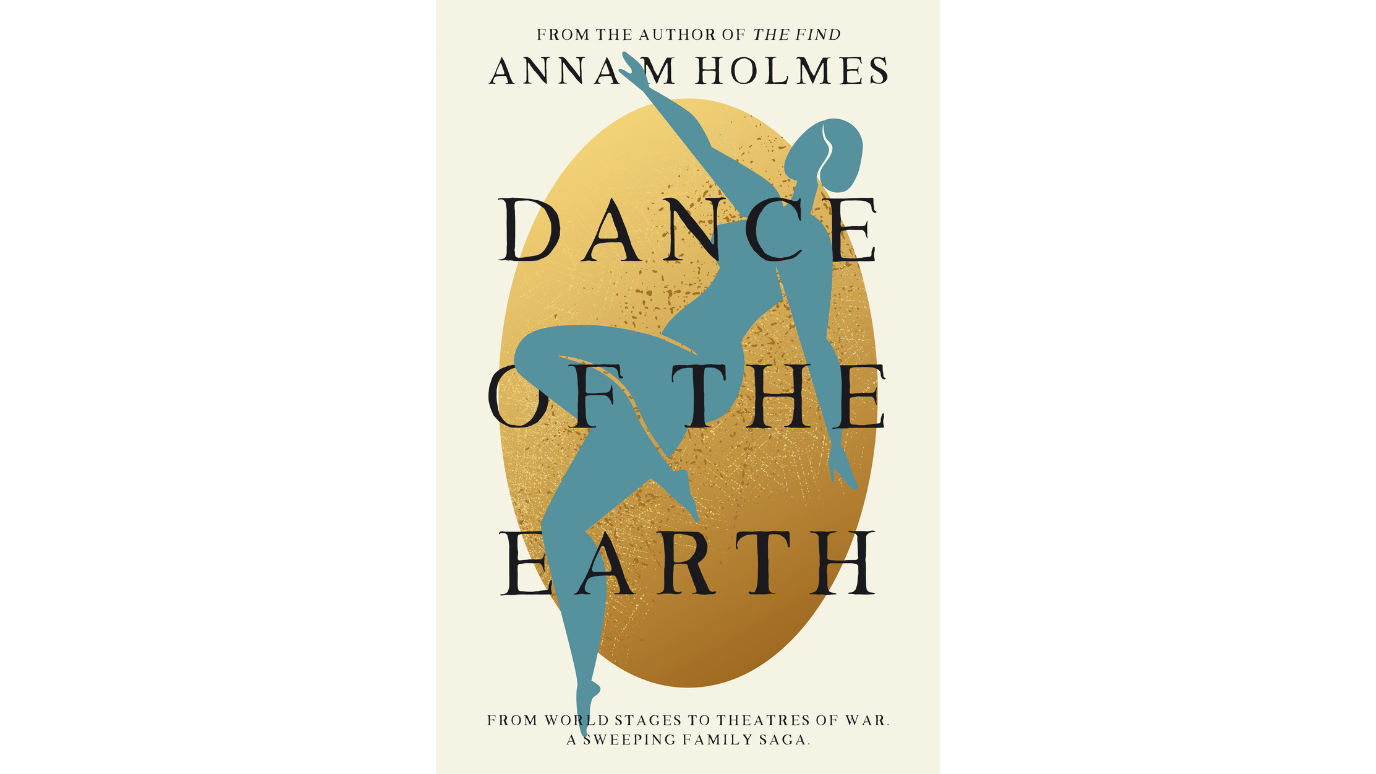
Towards the beginning of this historical novel, one comes to understand the emotional depth it carries. It transports readers from the Ballets Russes to the devastation of the First World War. It seamlessly combines the stage not just as a theatrical performance space, but as a world with prejudices.
In 1875, a newborn baby girl is discovered outside the lively Alhambra theatre in London. Rescued by the seamstress Molly Banbury, the girl Rose becomes part of a spirited family saga that spans five exhilarating decades. It dives into early 20th-century London, where music and dance pulse through the air, shaping dreams and identities. Rose grows up backstage, mesmerised by colours and dance, ultimately becoming a star performer at the Alhambra. The story suddenly shifts with Rose’s tragic love affair that diverts her from her professional life and leaves her a mother of twins. The story continues with the generation of twins, Nina and Walter. Nina leaps into the innovative world of Sergei Diaghilev’s ballets. From her dancer’s perspective, she experiences avant-garde choreography, stunning costumes, and captivating music, all crafted by Diaghilev’s talented collaborators, pushing the boundaries of Russian Art.
The story is divided into parts containing Rose’s life and then the adulthood of her twin children. Growing up separately, Nina is portrayed from a theatrical perspective, while Walter is portrayed from a musical standpoint. The novel’s expression of art is deeply admirable. This is an enormous generational saga spanning the mid-nineteenth century to the early twentieth century. It highlights each character with great intimacy, viewing Rose’s struggles with love and career, Nina’s struggles against racial biases and gendered expectations, and Walter’s trauma and lost individuality.
The descriptions of an air-raid in the Second World War and its effects on people, as portrayed by Holmes, are daunting. One of the scenes that stuck with me was when Rose witnessed the scene of destruction of the air-raid in the Second World War firsthand. As the aircraft appeared in the sky, she immediately began searching for Molly. The emotional rollercoaster that Holmes portrayed in these scenes was soul-wrenching, and I felt it deeply. Rose's hysteria and fear for Molly were palpable, highlighting the personal struggles of all those who suffered during the war. When Rose finally finds Molly’s dead body after she was killed in the air-raid, the lines written by Holmes, “Rose tried to tidy her bodice where it had ripped. Molly wouldn’t like to be seen like this,” brought forth an overflow of emotions.
Holmes carefully crafted the characters and their personalities to be resilient and hopeful. It is filled with emotional abundance, be it Nina’s ambitions as a woman in a society bound by expectations of how women are meant to be, or Walter’s struggles with the traumas of the First World War and his sense of belonging in a society searching for individuality.
The most surprising element was the way Holmes made readers feel a mix of emotions throughout the book. The struggles of each character make the book both interesting and engaging at the same time.
Holmes blends the Ballet Russes with historical facts and fiction in the most natural way. The novel's emotional and suspenseful nature is daunting yet gratifying. The book is a great depiction of art, emotions, and a journey toward individuality.
It’s a captivating story depicting several generations, inspiring readers and providing a stance. The year-by-year structure really tied the story together. To readers who are genuinely curious about art and how it resonates with personal hardships, I highly recommend this book.