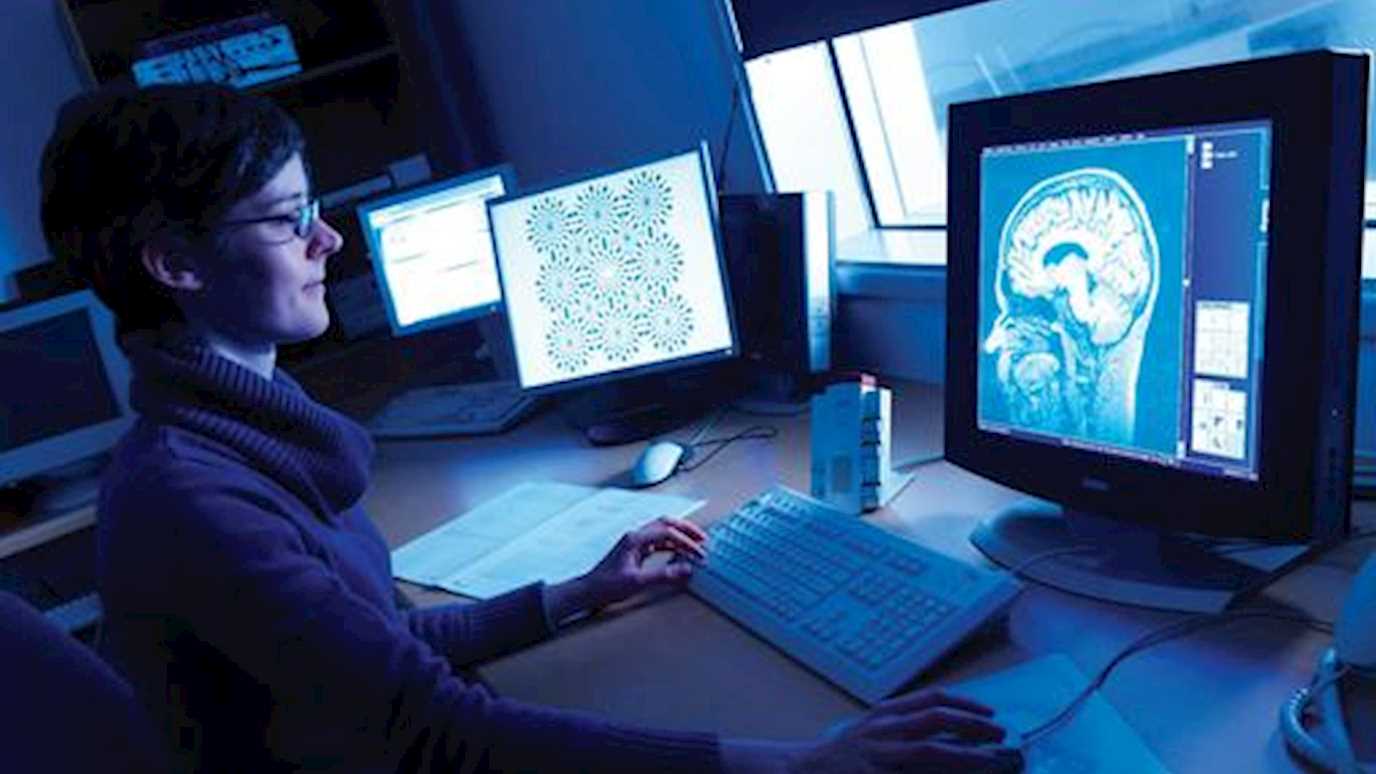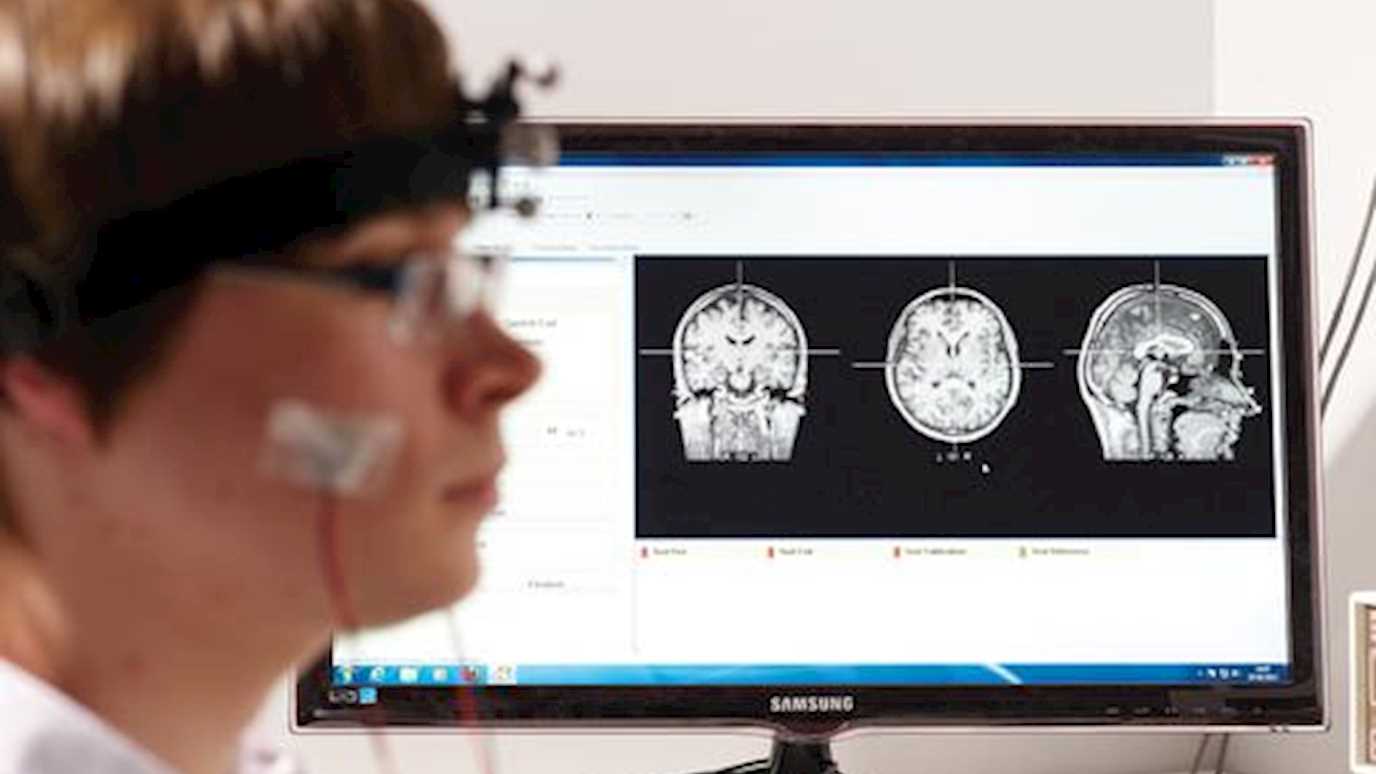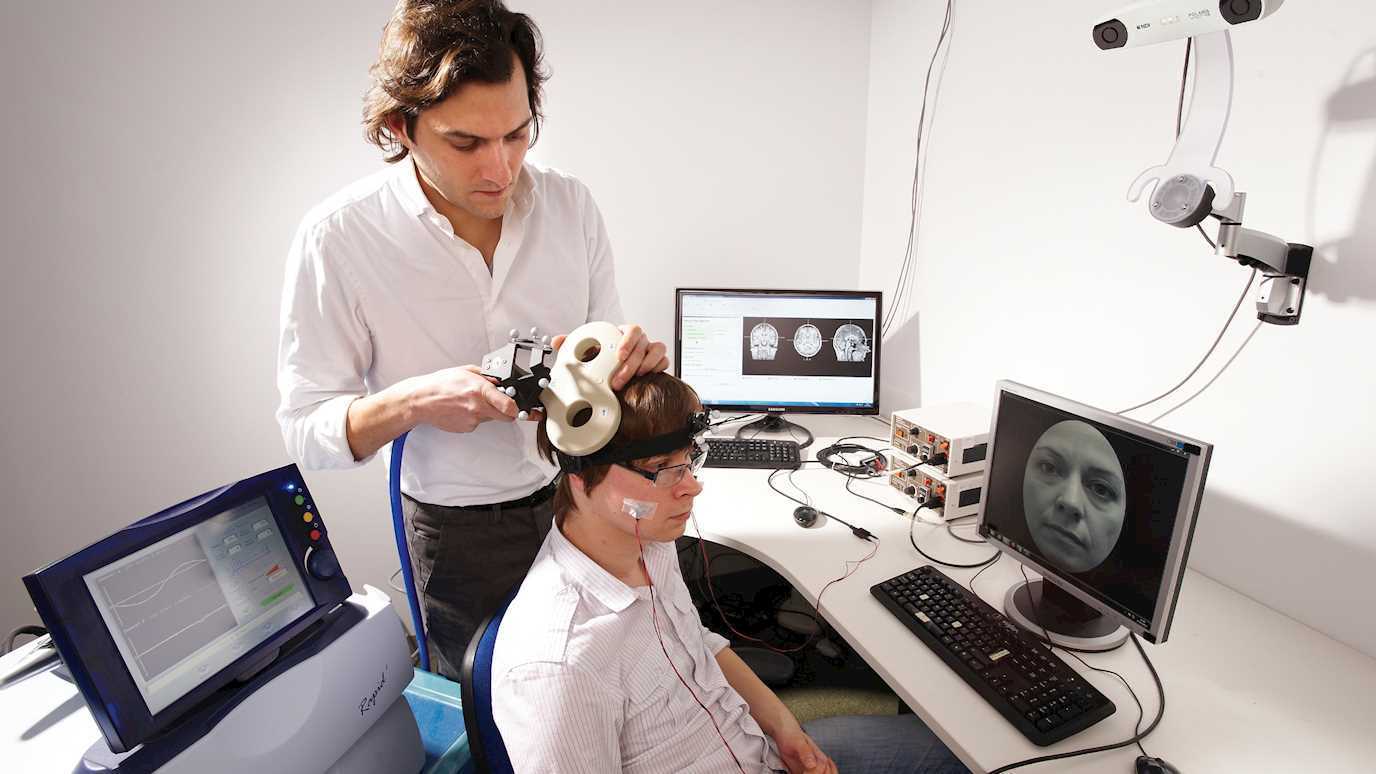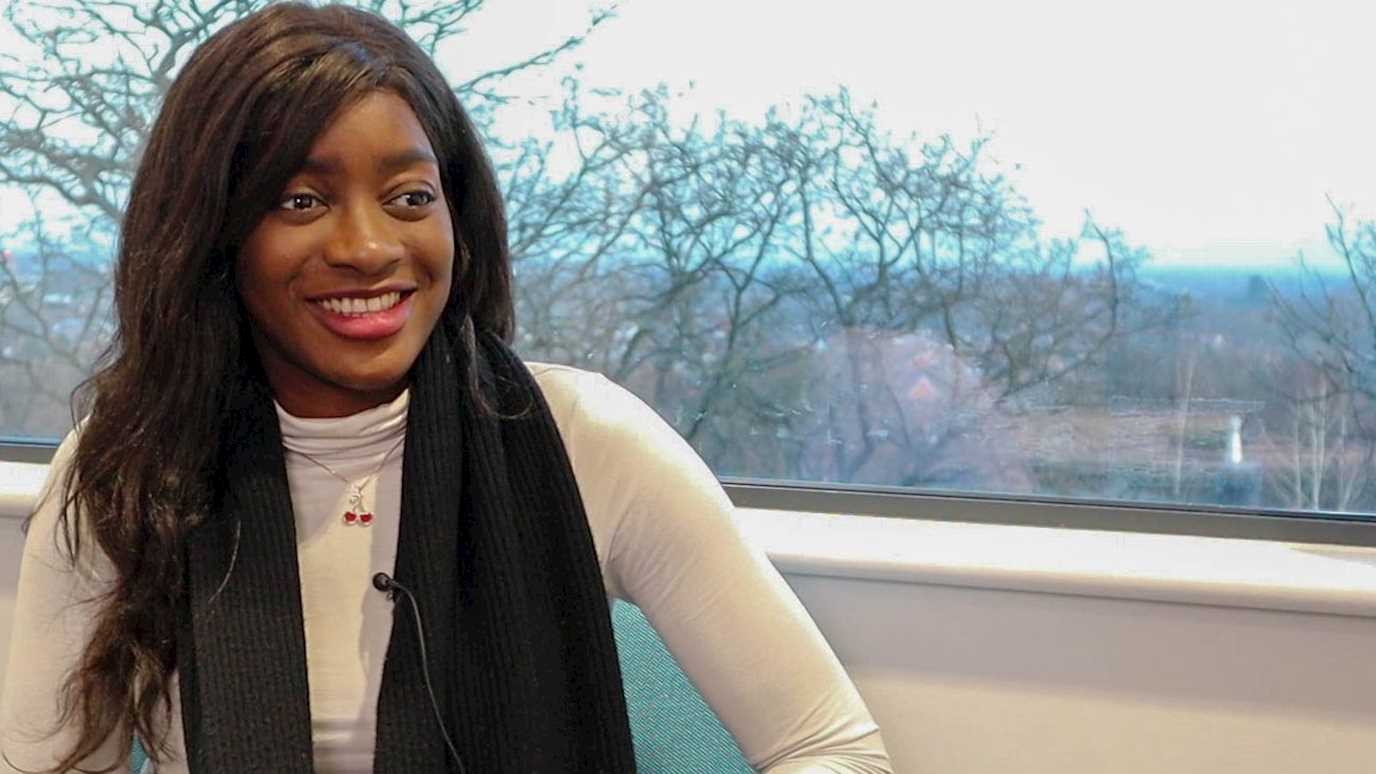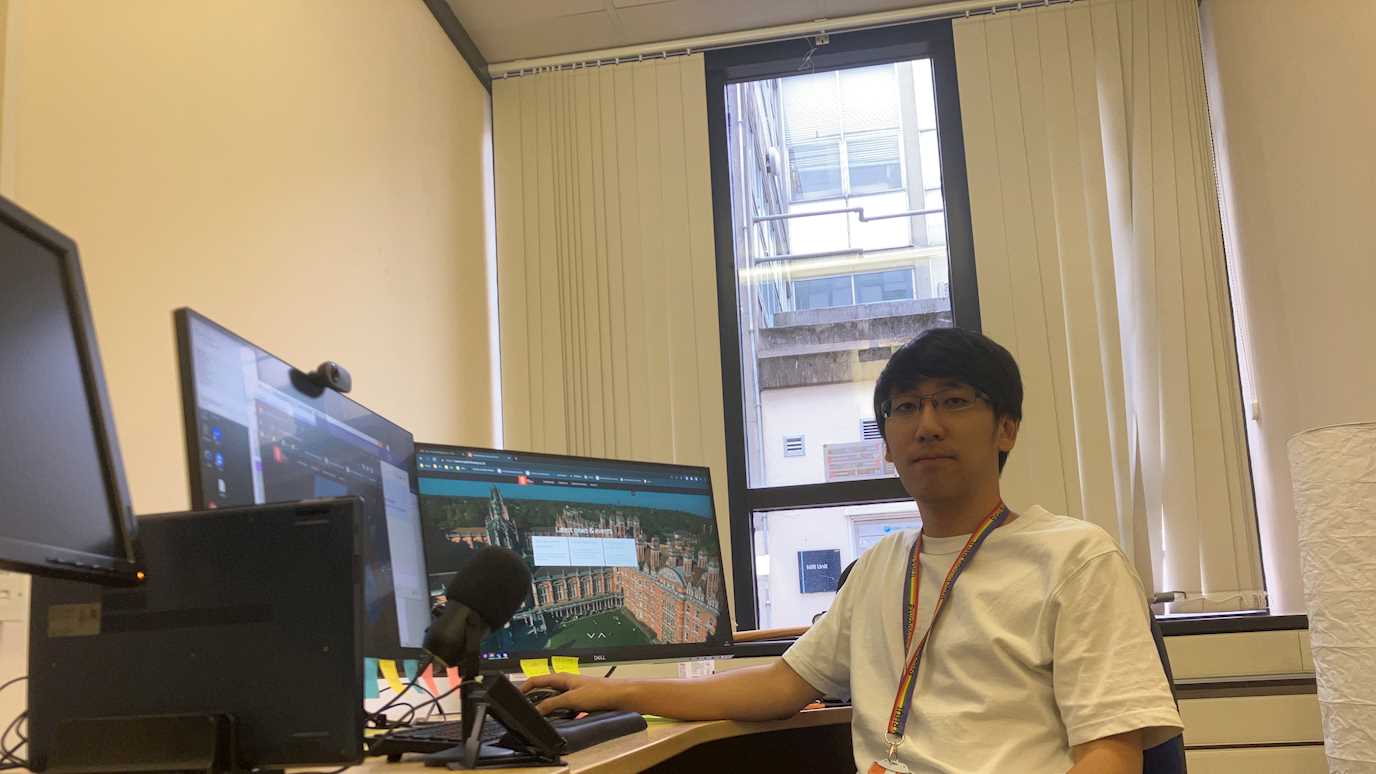
Pin-Chun started as a lecturer in the department in July. We caught up with Pin-Chun to get to know more about them better.
Could you tell us a bit about yourself and your research?
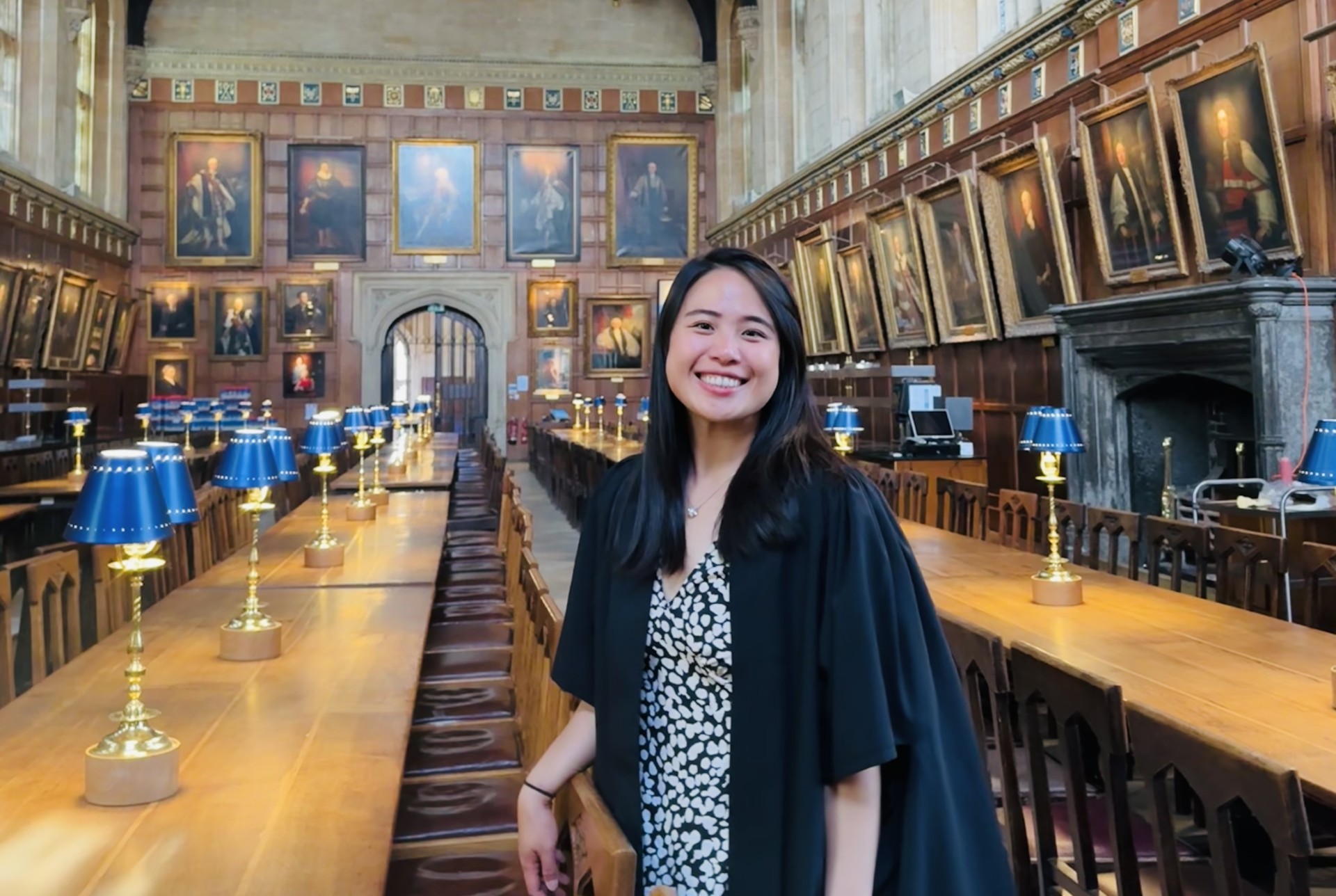
I'm Pin-Chun Chen. As with many Taiwanese names, Pin-Chun is my given name (both parts together) and Chen is my family name. I'm a cognitive neuroscientist fascinated by one of the most familiar yet mysterious parts of our lives: sleep. I completed my PhD at the University of California, Irvine, before moving to the University of Oxford as a Marie Skłodowska-Curie Postdoctoral Fellow.
My research explores how sleep supports learning, memory, and healthy ageing. Although we often think of sleep as a time of rest, the brain remains remarkably active, replaying experiences and reorganising memories in ways that help us learn. More recently, my work has expanded beyond the brain to investigate how the brain and body work together during sleep to support memory and cognitive health. You can find out more about my research here.
What motivated you to initiate your research projects?
My interest in sleep began as an undergraduate in Taiwan. I joined a sleep lab as a rotation student and was immediately hooked. At that time, I was working in a sleep clinic while my grandmother began showing symptoms of dementia. Seeing how often sleep problems and cognitive decline appeared together convinced me that sleep was more than just a fascinating scientific question, it could be an important key to maintaining brain health. That experience sparked the question that still drives my research today: How does sleep help us maintain cognitive health as we age? More importantly, can sleep become a modifiable protective factor that helps preserve cognition throughout life?
What drew you to the Psychology Department at Royal Holloway?
Royal Holloway was a natural fit for my research. The department has internationally recognised strengths in cognitive neuroscience, sleep, memory, brain-body interactions, and healthy ageing, making it an exciting place to develop new collaborations. During the interview process, I was equally impressed by the genuinely welcoming and collaborative atmosphere. It felt like a department where people enjoy sharing ideas, supporting one another, and working together to tackle important scientific questions. That combination of complementary research strengths and collegial culture made Royal Holloway an easy choice. I'm excited to join such a supportive and vibrant department.
If you were offered funding to develop a research programme, what would that be?
I would focus on one fundamental question: how does the brain decide when memories are consolidated during sleep? We know a lot about the mechanisms involved, but much less about what determines the precise moments when those mechanisms are engaged. My goal is to uncover the brain-body signals that create these "memory windows" and determine when the sleeping brain is most receptive to strengthening memories. Ultimately, I hope this work will change how we think about sleep: not simply as a state of rest, but as a dynamic, whole-body process that shapes learning, memory, and healthy ageing.
What do you enjoy doing outside of work?
Outside the lab, I love travelling, hiking, and discovering good coffee. After moving to England and realising there weren't quite enough mountains for me, I took up powerlifting instead. I'm now proud to squat and deadlift more than twice my body weight, and I especially enjoy encouraging more women to discover the confidence that comes from lifting heavy. My philosophy is simple: sleep helps us age smarter, and strength training helps us age stronger.