Royal Holloway research shows how UK theatre reinvented itself following its longest closure since the seventeenth century.
Credit: Mr Standfast / Alamy
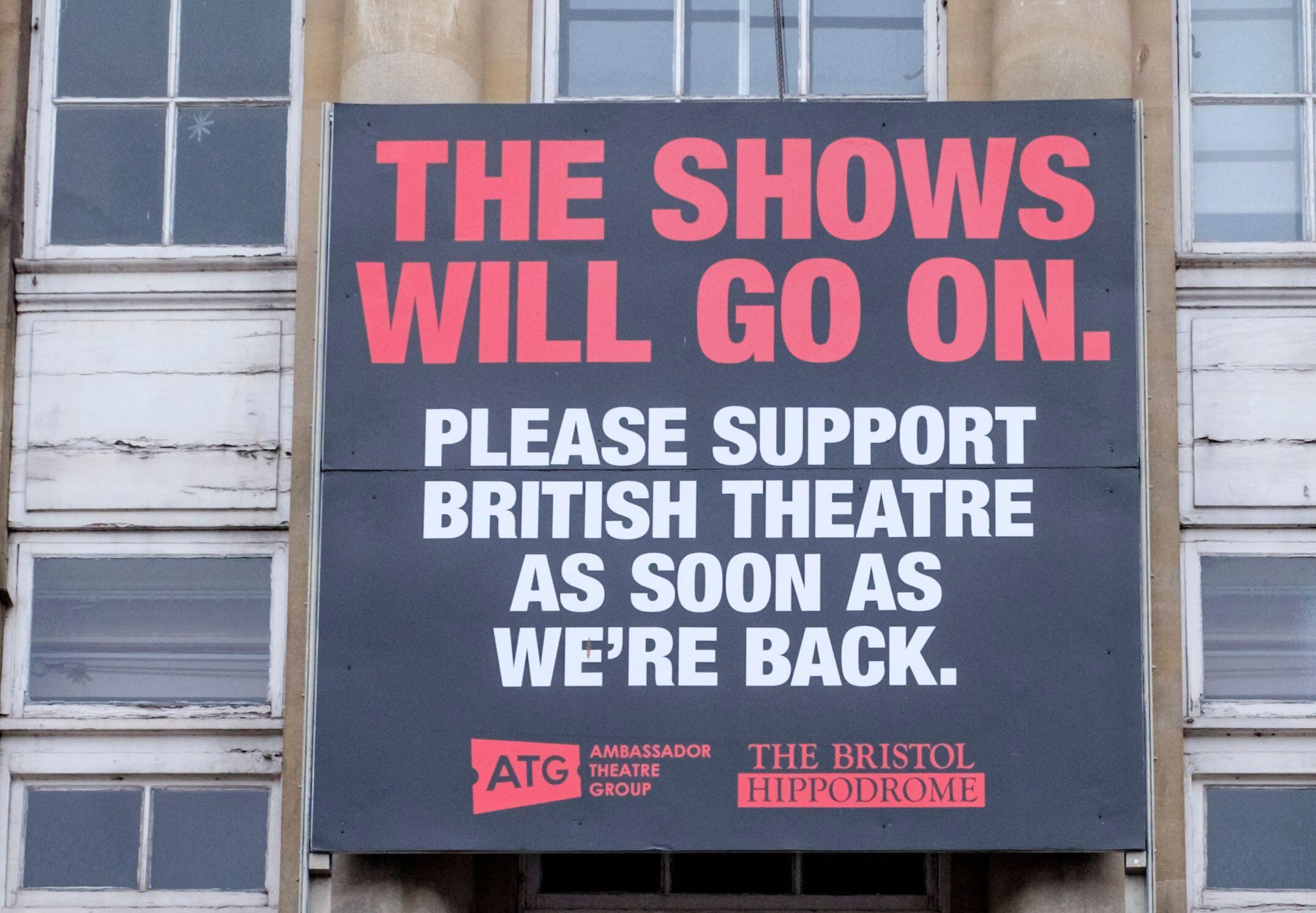
UK theatre faced its longest closure since the seventeenth century during the Covid-19 pandemic. Now, new research led by theatre academics at Royal Holloway, University of London reveals how the industry not only survived – but transformed in ways few could have predicted.
The study, which examined theatre activity between 2019 and 2023, shows that despite a sharp drop in the number of theatre productions, audiences returned in greater numbers than before the pandemic. Commercial theatres strengthened their lead over subsidised venues, and musicals emerged as the dominant force in the post-pandemic landscape.
Professor Dan Rebellato, Professor of Contemporary Theatre from the Department of Drama, Theatre and Dance at Royal Holloway who led the research, said: “Theatre faced unprecedented challenges during Covid, but the industry proved remarkably resilient.
“Our research shows how theatres adapted – becoming more commercial, more metropolitan, and more conscious of box-office risk.
“What’s revealing is how audience choices shaped recovery. Musicals soared, suggesting a craving for familiarity and spectacle, while new work also thrived – showing that fresh stories still matter even in uncertain times.
“We also saw fascinating shifts in the balance between new work and revivals, which could reflect how audiences weigh risk and comfort in a post cost-of-living age.
Among the most striking findings is the rise of musicals, which by 2023 accounted for nearly two-thirds of all box-office income. New work staged a comeback after years of decline, with fresh plays and musicals drawing audiences back to live performance. Adaptations surged in popularity, while Shakespeare remained the most revived classical playwright, with Macbeth leading the way.
London consolidated its dominance, generating 80% of theatre income. Yet regional theatres showed resilience, with festive productions in the West Midlands outperforming expectations. And contrary to widespread belief, ticket prices fell once inflation was factored in – particularly for opera and musicals – making live performance more accessible than many assumed.
The research also points to a cultural shift: the proportion of new plays written by women rose from 39.4% before Covid to 41.7% in 2023 – a significant development for an industry still grappling with gender bias. This trend suggests a more inclusive future for British theatre, building on progress from just 31% a decade ago.
Looking forward, Professor Rebellato visioned: “Taken together, these trends suggest a future where British theatre becomes more commercially cautious yet creatively adaptive – leaning on proven hits while finding space for innovation and diverse voices. Understanding these patterns helps theatres plan for sustainability and relevance in a changing cultural landscape.”
Professor Giuliana Pieri, Dean of the Faculty of Arts, Humanities and Social Sciences at Royal Holloway, said: “This research demonstrates Royal Holloway’s leadership in understanding how the arts respond to global challenges. It offers a unique perspective on the resilience and creativity of UK theatre during one of its most disruptive periods.
“By analysing these trends, we’re helping shape the conversation about the future of live performance and reinforcing the vital role of academic insight in the cultural sector.”
The full report offers a detailed analysis of how UK theatre turned crisis into opportunity, reshaping itself for a new era of audiences and expectations.
Read the full report here.