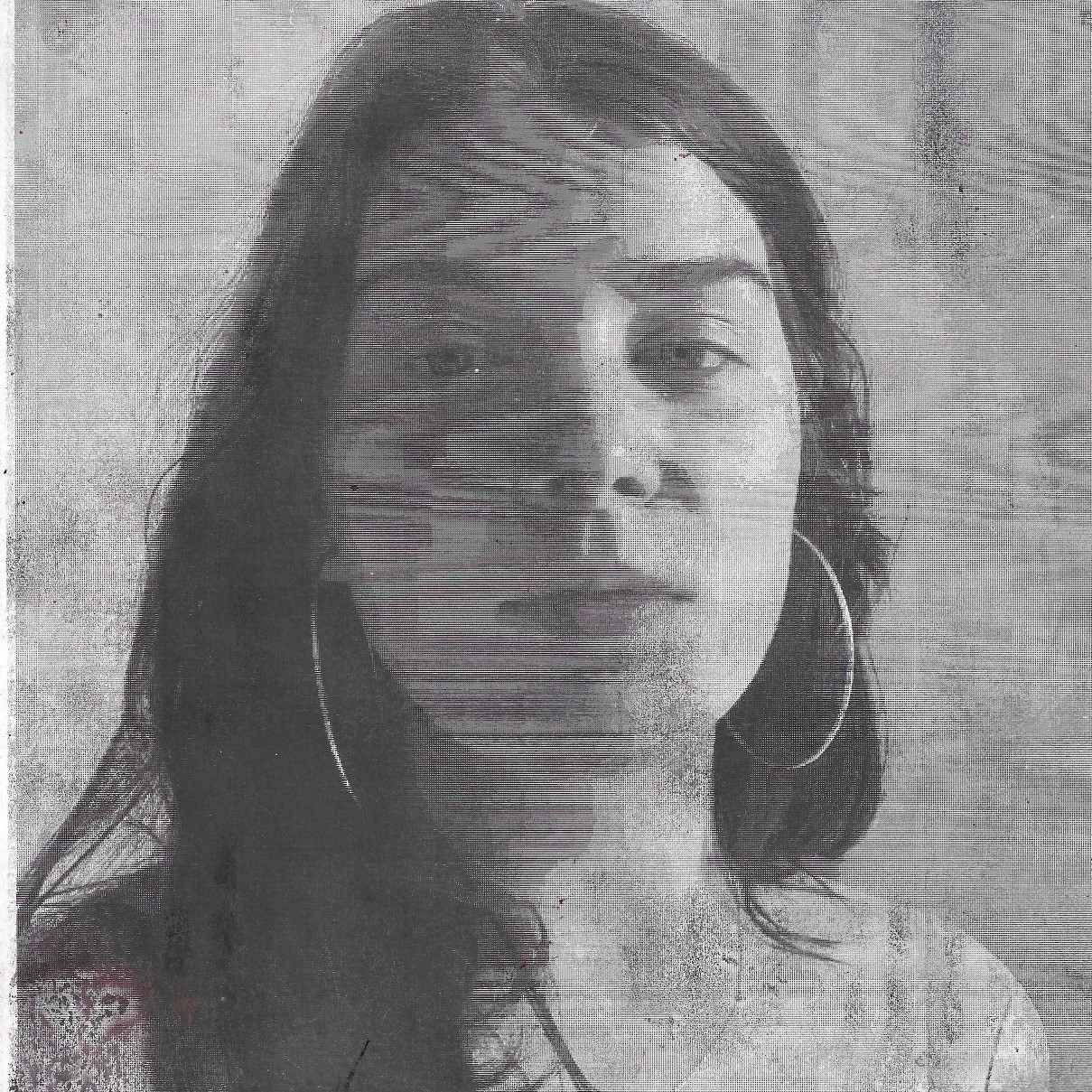
Missing Mavigraphs: Investigating the Lost Potentials of Thermographic & Electromagnetic Video Printing Systems
About
Examining the lost artistic potentials of thermal & direct electrostatic ‘dry-writing’ processes, this practice-led approach seeks to ask whether due to rapid technological advancements made in still-imaging & printing fields in the 80’s & 90’s, we moved on too quickly from photocopiers & fax machines, and as a result prematurely abandoned their related art practices. Copy Art, Xerox Art and ThermoFax Art were all popular art movements that relied on direct thermal processes, and in their heyday were celebrated for introducing a low-fi aesthetic of resistance adopted by avant-garde artists, punk bands & political print houses.
Under the theoretical framing of Media Archaeology, and its investigations into lost and forgotten medias, this project seeks to imagine, and retroactively visualise through art practice, an alternate timeline in which art explorations in thermal & electromagnetic printing were not prematurely abandoned but rather pushed further, entering into their next natural step, which I proffer was going to be the Mavigraph.
Mavigraph Printers, also known as Magnetic Video Graphic Printers, survive today in a medical context through their function as sonograph/ ultrasound printers but were once intended for a multitude of commercial and artistic uses. Mavigraphs operate through an input-output feed of live or pre-recorded footage that at any point can be translated into a thermally printed image on thermal paper. The image can be extracted from the video source (playing on a tv, laptop, camera) without causing any interruptions or disruptions to the footage. In its innate ability to blend elements of reprographic art practice with video, performance and printmaking, the Mavigraph was perfectly positioned to take-off amongst artists upon its release in 1982, yielding a whole range of new artistic uses, and yet this never happened.